
Published on 3/18/2017
Patchouli
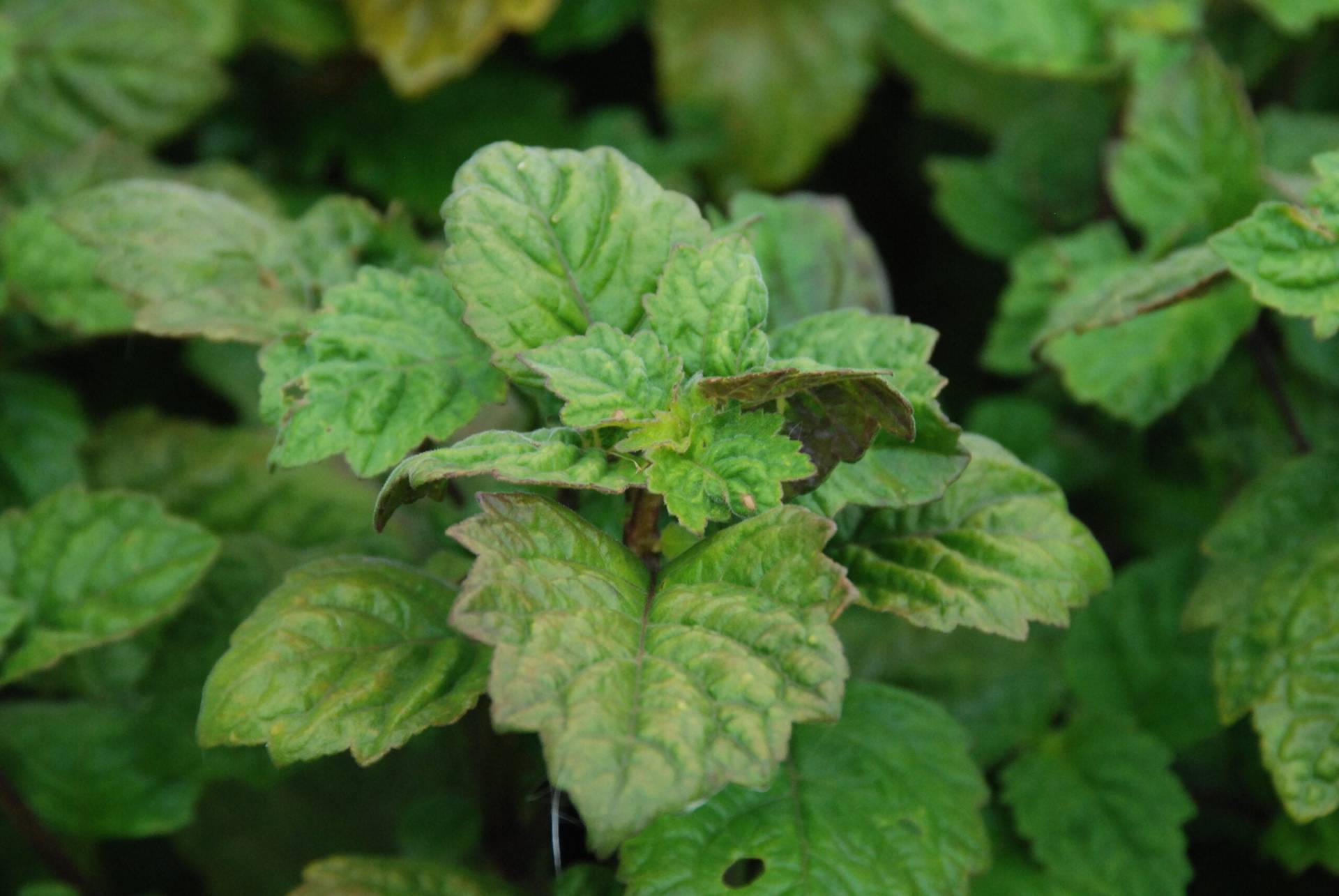
Patchouli from Indonesia
Patchouli is a famous ingredient in the history of perfumery. Native to Indonesia, this plant has fascinated and inspired the world’s greatest perfumers for several decades. Steeped in myth and symbolising love and freedom, this essence reveals itself in a thousand and one ways in fragrance compositions.
The history:
The history of patchouli is one of journeys. Native to Indonesia and Malaysia, patchouli is a plant resembling a shrub about one metre tall. Supported by a hairy stem, this plant is adorned with white flowers tinged with purple. It also has large, soft leaves resembling mint. When fresh, the plant is almost odourless. You’ll need to dry its leaves to begin to smell its characteristic fragrance. Patchouli is used for medicinal purposes, in cooking and even in magic to help you succeed financially or in love! Even today, it is grown in Indonesia, as well as in China and the Philippines.
Native to Indonesia and Malaysia, patchouli is a plant that resembles a shrub about one metre tall. Supported by a hairy stem, this plant is adorned with white flowers with purple hues. It also has large, soft leaves resembling those of mint. When fresh, the plant is almost odourless. You’ll need to dry its leaves to begin to smell its characteristic fragrance. Patchouli is used for medicinal purposes, in cooking and even in magic to help you succeed financially or in love! Even today, it is grown in Indonesia, as well as in China and the Philippines.
How is it extracted?
The oil is found in the epidermis, the stem and the downy leaves, mainly in the three youngest ones.
The first harvest takes place when the plant is on average 7 months old, followed by further harvests at 4-month intervals. Multiple harvests can be carried out on plants grown at higher altitudes, unlike in low-lying areas where the plants are often uprooted after the first harvest.
Post-harvest techniques:
The leaves are dried for around 5 hours in the sun and then placed in
the shade. During drying, the weight of the leaves is reduced to a quarter
.
In perfumery:
Patchouli oil is one of the most widely used natural raw materials in perfumery, alongside citrus fruits.
But what lies behind this molecule? A woody note, of course, but also earthy, damp undertones derived from its roots. Patchouli can evoke notes of mould, reminiscent of overripe apples or wine corks. So, for perfumers, it is all about dosage and combination to bring out these different facets in a composition
Patchouli is used as a fixative for more volatile notes, thanks to its stabilising properties. To avoid compositions that are too heavy, patchouli is never the dominant note. It was not until 1917 that François Coty brought patchouli into the spotlight in his famous Chypre fragrance, which paved the way for a new olfactory family. Patchouli is found alongside bergamot and oakmoss in particular.
And finally, did you know?
It was quickly associated with ‘demimondaines’ – those women known as ‘cocottes’ who were supported by wealthy Parisians. Sometimes used in excessive quantities, but above all very daring, patchouli would long remain associated with the French expression ‘ça cocotte’, used to disparage not only its olfactory power but, above all, the women who wore it! Very quickly, it became the scent of seduction thanks to its bewitching fragrance.