
Published on 2/8/2017
Java Vetiver (Vetyver)
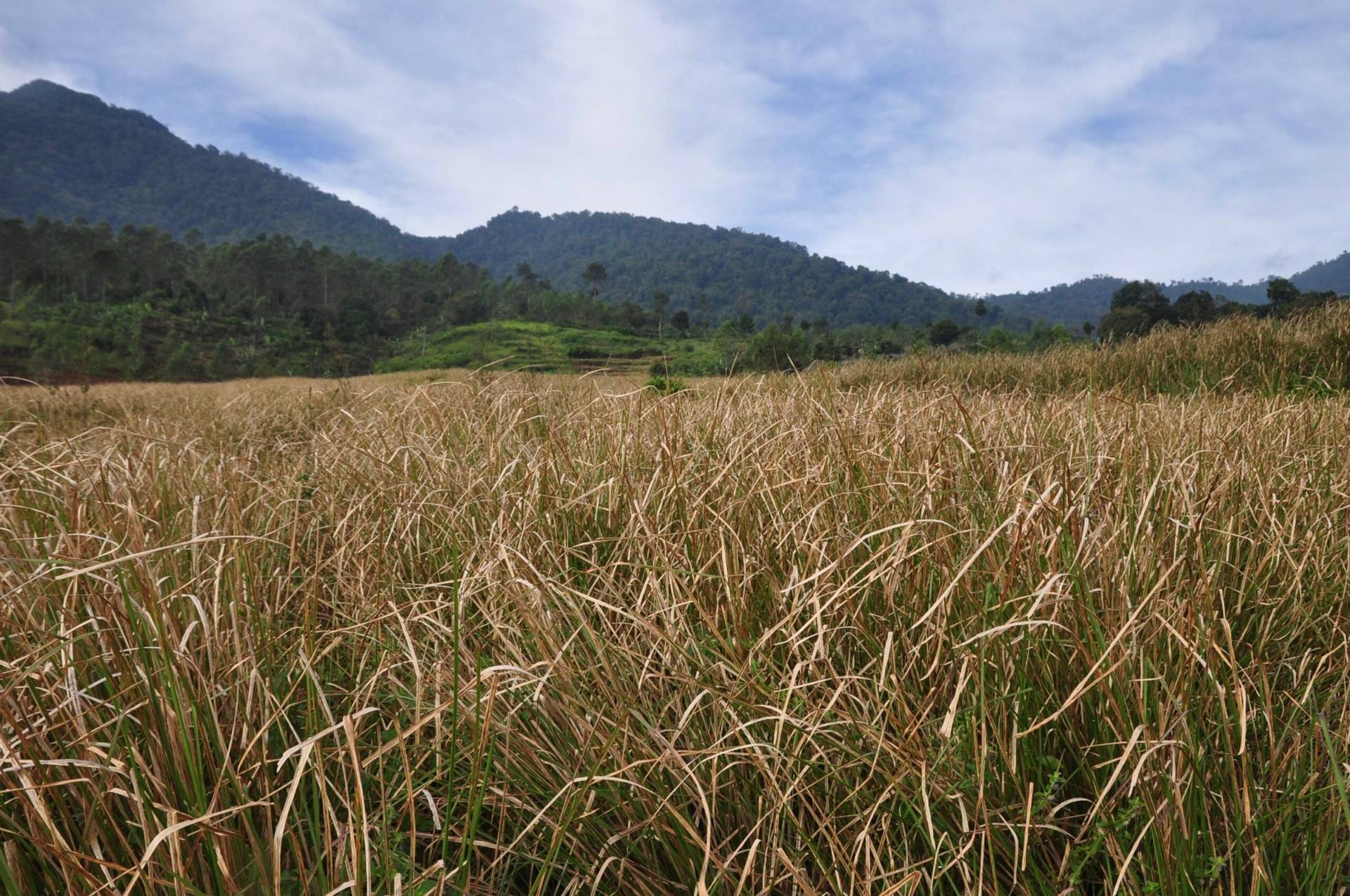
Java vetiver (Vetyver): a range of plant-based scents
History:
Known and used since ancient times, vetiver (or vetyver) is a perennial plant native to southern India, whose name is derived from the Tamil word ‘vettiveru’
It was the Indians who were the first to recognise vetiver’s aromatic and medicinal properties, as attested by ancient Ayurvedic treatises written in Sanskrit around 1000 BC.
In a perfumer’s palette, vetiver (Vetiveria zizanioides of the grass family) is often combined with precious raw materials such as jasmine, rose, ylang-ylang, neroli and patchouli.
In perfumery:
A woody, earthy scent, smokier than Haitian vetiver. Often used in men’s fragrances, it enriches the base note of a composition.
Vetiver reveals a woody fragrance with smoky accents and warm, aromatic notes. Depending on its origin, the essence may have different olfactory characteristics. Bourbon vetiver has an earthy, spicy scent. It is a refined fragrance that evokes hazelnut with a slightly rosy facet. Its essence is very similar to that of Indian vetiver. The Java variety is more bitter, with very pronounced smoky notes. Finally, Haitian vetiver has a warmer, more vegetal character, with hints of iris. Overall, vetiver has a highly distinctive scent: green, earthy, warm and smoky, evoking the forest floor, but also incense and, at times, peanuts!
Harvesting:
The growth cycle: Plants are generally spaced 30 cm apart in rows 1 m apart.
The plot is replanted at the same time as harvesting. One hectare harvested allows for the replanting of up to 4 ha after division.
Harvesting takes place on average one year after planting, which is essential to ensure good yields of essential oil.
Harvesting takes place mainly from June to September and from November to March, depending on rainfall. The roots are dug up with a pickaxe, the leaves cut off and the bulbs transplanted.
Post-harvest techniques:
They are sometimes washed and then left to dry in the shade. Exposure to direct sunlight reduces the essential oil yield.